Category: News

  • EXPERT PERSPECTIVES ON THE AFROREHAB2030 INITIATIVE TO STRENGTHEN REHABILITATION EDUCATION IN KENYA AND TANZANIA

    EXPERT PERSPECTIVES ON THE AFROREHAB2030 INITIATIVE TO STRENGTHEN REHABILITATION EDUCATION IN KENYA AND TANZANIA

    Addressing Africa’s Critical Shortage of Audiology and Speech Therapy Professionals

    For many years, the growth of audiology and speech and language therapy in Tanzania was constrained by a shortage of trained professionals, limited opportunities for advanced education, and inadequate recognition within the health system. As a result, access to critical rehabilitation services remained out of reach for many people living with hearing, speech, and communication disorders.

    Today, however, that landscape is beginning to change. According to Prof. Enica Richards, Principal College of Medicine at the Muhimbili University of Health and Allied Sciences (MUHAS), growing demand for hearing and communication rehabilitation services has created new momentum for training and workforce development.

    “The services were lacking and they were required,” she said, noting that increasing numbers of people with hearing loss, stroke survivors, children with cerebral palsy, and cochlear implant recipients have highlighted the urgent need for specialized rehabilitation professionals.

    One of the major turning points was the introduction of cochlear implant services at Muhimbili National Hospital. While the technology offered new hope to patients with severe hearing loss, it also exposed a critical gap in follow-up care.

    “We were struggling because candidates came from far away and the continuity of care and rehabilitation in speech and audiology was a big challenge,” Prof. Enica explained.

    Recognizing this need, MUHAS established Tanzania’s first bachelor’s programme integrating audiology and speech and language therapy, creating a pathway for training professionals capable of addressing both hearing and communication disorders.

    The decision to establish the programme was informed by both evidence and demand. Before introducing any new academic programme, institutions in Tanzania conduct needs assessments and market surveys to determine workforce requirements and service gaps.

    According to Prof. Enica, these assessments clearly demonstrated a shortage of services and a growing need for qualified professionals across the country. The initiative also received support from policymakers within the Ministry of Health, who recognized rehabilitation workforce development as a national priority.

    To strengthen curriculum development, MUHAS benchmarked against international programmes, including models in India that combine audiology and speech and language therapy training.

    While audiology and speech and language therapy are distinct professions, Prof. Enica emphasized that they are closely interconnected.

    Audiologists specialize in hearing health, including prevention, diagnosis, counselling, hearing aid management, and rehabilitation. Speech and language therapists focus on communication development and rehabilitation, supporting individuals whose speech and language abilities have been affected by developmental conditions, hearing impairment, neurological disorders, or injury.

    The relationship between the two professions is particularly important for children born with hearing impairments.

    “Once someone is having challenges with hearing, especially from birth, they will definitely have delayed speech or no speech at all,” she noted.

    For such individuals, effective rehabilitation often requires coordinated intervention from both audiologists and speech and language therapists.

    Prof. Enica believes the proposed AfroRehab2030 Master’s programme in Rehabilitation, which is funded by the European Union could play a transformative role in addressing the severe shortage of specialists across the region.

    One of the most pressing challenges facing Tanzania is the lack of qualified trainers.

    “In the last meeting I attended, policymakers were addressing a shortage of almost 98 percent in the ratio of patients to service providers,” she said.

    The consortium-based Master’s programme is expected to strengthen training capacity by enabling institutions to share expertise, faculty, and learning resources across borders. It will also provide graduates with opportunities to specialize further in audiology or speech and language therapy while preparing future educators and mentors for the profession.

    “We’ll have teachers who can now train other people to meet the demand,” she said.

    By building a stronger pipeline of specialists and trainers, the programme is expected to contribute significantly to both workforce development and service delivery.

    Beyond training, Prof. Enica sees research as essential to the future of rehabilitation services in Africa. Her own research interests include hearing disorders, newborn hearing screening, and hearing outcomes among people living with HIV. However, she notes that significant gaps remain in research and innovation related to hearing, speech, and language rehabilitation.

    “We are just talking that we have so many people who require these services, but we don’t have the data and we should go with evidence,” she said.

    She stressed the importance of generating local evidence to inform policy decisions, strengthen advocacy efforts, and guide investments in rehabilitation services.

    Challenges such as limited funding, inadequate research infrastructure, and fragmented data systems continue to hinder progress. Nevertheless, she remains optimistic that stronger partnerships and increased investment in research will help bridge these gaps.

    For Prof. Enica, addressing rehabilitation challenges requires collective action. She advocates for closer collaboration among universities, policymakers, healthcare providers, researchers, and development partners to strengthen rehabilitation education, service delivery, and research.

    “If you want to go far, you should go as a team,” she said.

    Through initiatives such as AfroRehab2030, she believes African institutions have a unique opportunity to build the skilled workforce, research capacity, and partnerships needed to improve access to rehabilitation services and ultimately transform lives across the continent.

    Every conclusion should be implementable, but also implemented,” Prof. Enica concluded, underscoring the importance of translating knowledge, research, and collaboration into meaningful change for people living with hearing, speech, and communication disorders.

    Strengthening Africa’s Occupational Therapy Workforce Through AfroRehab2030

    For many Kenyans living with disability, injury, chronic illness, or mental health conditions, rehabilitation  services  can  mean  the difference between  dependence and  participation  in everyday life. Yet the country continues to face a shortage of highly trained rehabilitation professionals, particularly in specialized fields such as occupational therapy.

    The AfroRehab2030 project,  funded by the European Union, is working to  address this challenge by strengthening rehabilitation education, research, and workforce development across Africa.

    According to Mr. Daniel Kariuki, an Occupational Therapist and lecturer at Jomo Kenyatta University of Agriculture and Technology (JKUAT), occupational therapy is a client-centred health profession focused on enabling people of all ages to participate in meaningful daily activities.

    “Occupations are everything that people do from the time they wake up to the time they sleep,

    including self-care, work, and leisure activities,” he explained.

    While physiotherapy focuses primarily on movement, strength, balance, and pain management, occupational therapy looks at how these physical abilities contribute to a person’s ability to function independently and participate fully in life. The two professions complement each other in delivering holistic rehabilitation services.

    Although occupational therapy  has  existed  in Kenya for several decades, the profession remains relatively young. Most practitioners are concentrated in major hospitals and teaching institutions, leaving many communities underserved.

    “The profession continues to face shortages, especially among professionals with postgraduate qualifications,” said Mr. Kariuki.

    Currently, Kenya has only two universities offering occupational therapy training at bachelor’s level and one institution offering diploma-level training. Despite growing demand for rehabilitation services, the number of trained professionals remains insufficient to meet national needs.

    This shortage highlights the urgent need for advanced training opportunities that can develop a stronger rehabilitation workforce capable of addressing emerging health challenges across the region.

    JKUAT has played a pioneering role in occupational therapy education in Kenya. The university was the first institution in the country to offer a Bachelor of Science degree in Occupational Therapy and continues to train the next generation of rehabilitation professionals.

    Since launching the programme, the university has steadily expanded its capacity, admitting approximately 80 students annually and graduating around 50 occupational therapists each year.

    Beyond undergraduate training, JKUAT is increasingly focusing on postgraduate education, research, and innovation in rehabilitation sciences through initiatives such as AfroRehab2030.

    Mr. Kariuki, whose research interests focus on mental health and occupational therapy interventions that promote recovery and social inclusion, believes advanced training is essential for strengthening rehabilitation systems.

    To this end, he has played a key role in JKUAT’s partnership with five other universities in the AfroRehab2030 project to develop an innovative Master of Science in Rehabilitation programme designed to strengthen the competencies of rehabilitation educators and practitioners.

    The interdisciplinary programme will bring together professionals from different rehabilitation disciplines and will be delivered through a flexible blended-learning model that combines online and face-to-face instruction.

    “The programme is particularly innovative because it allows working professionals to continue their studies while improving their digital competencies, pedagogical skills, and research capacity,” Mr. Kariuki noted.

    According to him, strengthening the competencies of educators will have a multiplier effect throughout the rehabilitation sector.

    “When we improve the capacities of lecturers and trainers, we ultimately improve the quality of education they provide. This translates into better rehabilitation services within our communities,” he said.

    In addition to postgraduate training, AfroRehab2030 seeks to enhance research capacity among rehabilitation professionals.

    The project is supporting curriculum review processes to incorporate emerging technologies, digital learning approaches, and contemporary rehabilitation practices. It also promotes interdisciplinary research, enabling professionals from different fields to work together in addressing complex rehabilitation challenges.

    An important component of the initiative involves conducting scoping reviews across various rehabilitation disciplines. These reviews will help map existing evidence, identify knowledge gaps, and guide future research priorities.

    Mr. Kariuki emphasized that such reviews are particularly valuable in emerging and under- researched areas because they provide a clearer understanding of existing knowledge while informing policy and practice.

    As Africa continues to face growing demand for rehabilitation services, initiatives such as

    AfroRehab2030 are helping build the human resource capacity needed to meet this challenge.

    By expanding postgraduate training opportunities, strengthening teaching competencies, promoting research, and fostering regional collaboration, the project aims to create a sustainable pipeline of highly skilled rehabilitation professionals.

    For occupational therapy specifically, the initiative represents an opportunity to advance a profession that remains critical to promoting health, wellbeing, independence, and social inclusion for individuals and communities.

    “Occupational therapy is a very important profession,” Kariuki said. “We need to continue promoting it, strengthening training opportunities, and ensuring we have enough highly skilled professionals who can advance the profession and improve the lives of those who need rehabilitation services.”

    Training the Next Generation of Speech and Language Therapy Professionals in Africa through AfroRehab2030

    Across Africa, millions of people living with speech, language, communication and swallowing disorders struggle to access specialized care due to a severe shortage of trained professionals. While awareness of these conditions is growing, the number of speech and language therapists available to provide services remains critically low.

    The AfroRehab2030  project,  funded  by  the European  Union,  seeks  to  help  address  this challenge by strengthening rehabilitation education, research, and workforce development across the continent.

    According to Sister Gladys Rotich, a Speech and Language Therapist and doctoral researcher, building the capacity of rehabilitation educators is one of the most effective ways to expand access to rehabilitation services and improve outcomes for people with communication disorders.

    Speech and Language Therapy (SLT), also known in some regions as Speech and Language Pathology, is a profession dedicated to the assessment and management of speech, language, communication, and swallowing disorders.

    Although the terms “therapy” and “pathology” are often used interchangeably, they refer to the same profession, with naming conventions varying by region. While “speech and language therapy” is commonly used in the United Kingdom and many Commonwealth countries, “speech and language pathology” is more widely used in the United States.

    The profession  is  distinct from audiology,  although  the two  disciplines  frequently  work together. Audiologists focus on assessing hearing and providing interventions such as hearing aids, while speech and language therapists support individuals in developing communication skills, including speech production and language development.

    “The collaboration between audiologists and speech and language therapists is very important because hearing and communication are closely connected,” Sr. Rotich explained.

    Despite increasing demand for services, speech and language therapy remains one of the most under-resourced rehabilitation professions in Kenya and across much of Africa.

    Sr. Rotich noted that in the early 1990s, Kenya had only a single speech and language therapist serving the entire country. By the early 2000s, that number had increased to just two professionals.

    Today, the situation has improved, with approximately 50 qualified speech and language therapists practicing in Kenya and additional students currently undergoing training. However, the numbers remain far below what is needed to serve a population of more than 50 million people.

    Most practitioners are concentrated in urban centres, leaving many rural and underserved communities without access to specialized communication services.

    “We are still a long way from meeting the need,” Sr. Rotich observed. “There is a significant gap in access, particularly outside major towns and cities.”

    The expansion of training programmes at universities and colleges is helping to increase the workforce, but further investment in education and postgraduate training remains essential.

    Beyond workforce shortages, the profession faces significant research challenges. Sr. Rotich’s own research focuses on adapting speech assessment tools to better reflect African cultural and linguistic realities. Her work addresses a major limitation in current practice: many assessment tools used in Africa were originally developed in Europe and North America.

    These tools often fail to account for the linguistic diversity and cultural contexts of African children, increasing the risk of inaccurate assessments and delayed intervention.

    “My research seeks to adapt a speech-sound assessment tool so that it becomes culturally and

    linguistically responsive to Kenyan children,” she explained.

    The adapted tool is expected to support both professionals and caregivers by helping identify communication difficulties earlier and facilitating more accurate diagnosis.

    Beyond assessment tools, Sr. Rotich highlighted several critical research gaps, including limited epidemiological data on communication disorders, autism-related communication needs, and voice disorders. Without reliable data, policymakers and service providers face challenges in planning and allocating resources effectively.

    One of AfroRehab2030’s key objectives is strengthening the capacity of rehabilitation educators through advanced postgraduate training and regional collaboration. For Sr. Rotich, this goal directly addresses one of the profession’s greatest challenges.

    “Why did I return to school for a PhD?” she asked. “Because if I only continue practicing and do not train others, I cannot help solve the workforce shortage.”

    She believes that investing in educators creates a multiplier effect. By increasing the number of highly qualified lecturers and researchers, universities can train more professionals and improve the quality of rehabilitation education across the region.

    AfroRehab2030’s interdisciplinary approach also creates opportunities for collaboration among speech and language therapists, occupational therapists, physiotherapists, audiologists and other rehabilitation professionals.

    Such  collaboration  strengthens  understanding  of  each  profession’s  role  and  ultimately

    improves patient care.

    “When professionals learn together, they better understand how they can work together for the benefit of the client,” Rotich said.

    Another important component of AfroRehab2030 is the implementation of scoping reviews across rehabilitation disciplines. Sr. Rotich believes these reviews will play a critical role in strengthening rehabilitation systems by mapping existing knowledge, identifying gaps, and generating evidence to inform policy and education.

    Particularly important, she noted, is understanding the state of speech and language therapy education across Sub-Saharan Africa, including where programmes are offered, the qualifications available, and the capacity of institutions training future professionals.

    “Knowledge is power,” she said. “The more information we have about training opportunities and workforce needs, the stronger our case becomes when engaging policymakers and stakeholders.”

    As rehabilitation needs continue to grow across Africa, initiatives such as AfroRehab2030 are helping to build the educational and research capacity required to meet future demand. By strengthening postgraduate training for professions such as speech and language therapy, where shortages remain severe, these investments are critical to ensuring that more people can access the services they need to communicate, participate, learn, and thrive.

    “More professionals need to be trained,” Sr. Rotich emphasized. “The more information people have about training opportunities, the more likely they are to join the profession and help close the gap.”
  • Advancing Rehab Education in East Africa Through Partnership

    Advancing Rehab Education in East Africa Through Partnership

    The AfroRehab2030 project continues to gain international recognition through scholarly dissemination of its achievements and collaborative efforts. This article https://uasjournal.fi/2-2026/advancing-rehab-education-in-east-africa-through-partnership/, published in the UAS Journal, highlights how partnerships between universities in East Africa, Finland, and Norway are advancing rehabilitation education through the co-creation of innovative, blended Master’s programmes. It further showcases the project’s commitment to strengthening professional capacity, promoting interprofessional learning, and enhancing access to quality rehabilitation services in the region.

  • Stakeholders Meeting for Curriculum Development at KCMCU-Moshi, Tanzania

    Stakeholders Meeting for Curriculum Development at KCMCU-Moshi, Tanzania

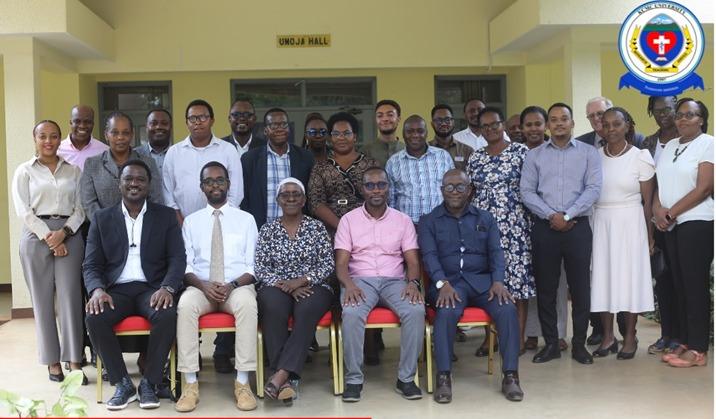
    A stakeholder engagement meeting was held on the 4th of February 2026 to review feedback on the proposed MSc in Rehabilitation curriculum at KCMC University. Participants expressed strong support for the programme and recognized its relevance to current community needs and service gaps.

    One representative from a non-governmental organisation described: “This is an excellent program. I feel that it should have started yesterday. The need is huge in the community. Congratulations for establishing this program”. The overall feedback emphasized the importance of strengthening interdisciplinary content, minimising the number of courses under each professional exit, and including specific courses and practical training components in alignment with workforce demands.

    Key recommendations focused on maintaining quality and professional standards while accelerating implementation to meet the growing rehabilitation needs in the community.

  • AfroRehab2030 Consortium Visit to Finland and Norway (September–October 2025)

    AfroRehab2030 Consortium Visit to Finland and Norway (September–October 2025)

    Introduction

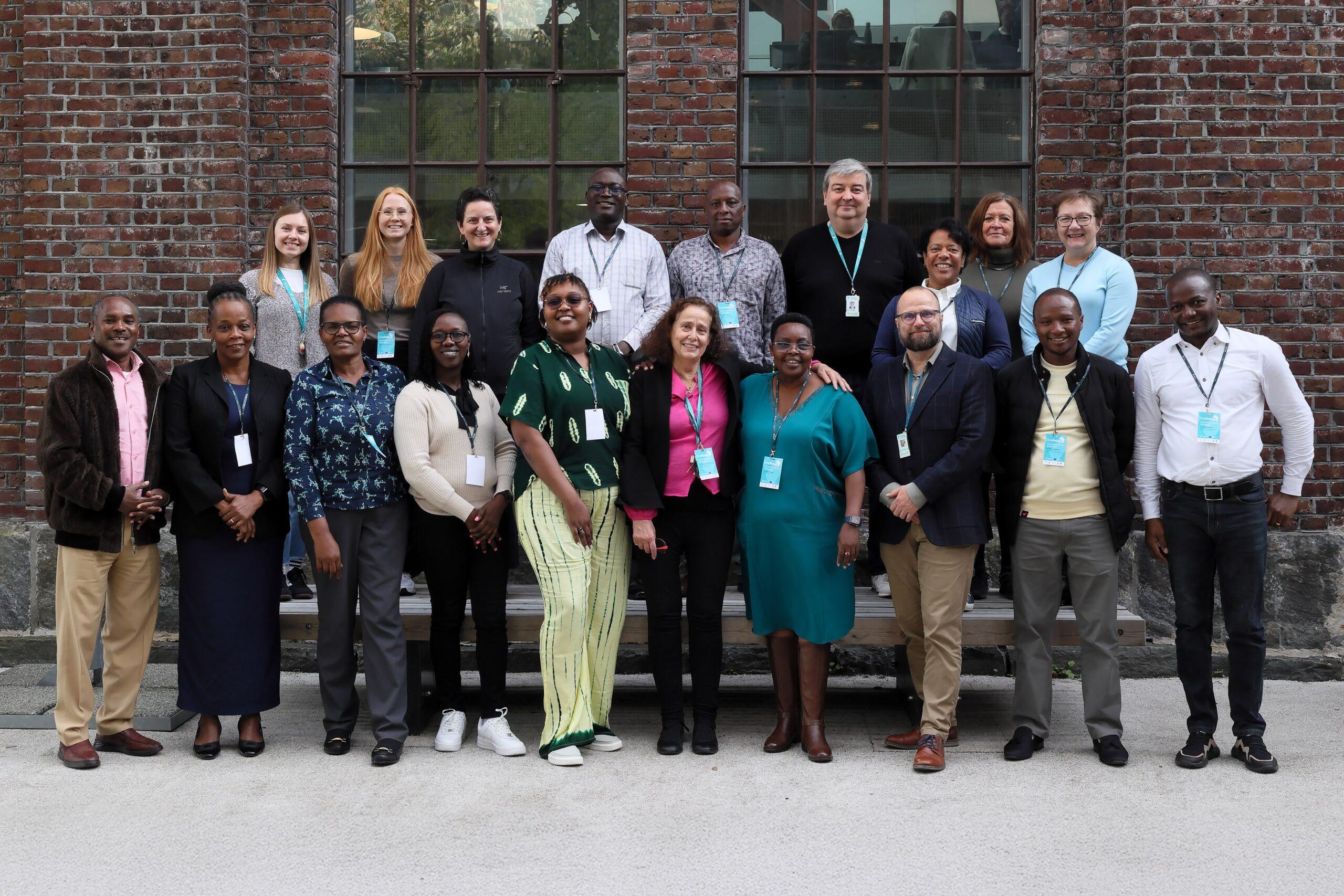
    The AfroRehab2030 Erasmus+ Capacity Building in Higher Education (CBHE) project is a transformative international partnership aimed at strengthening the rehabilitation workforce in East Africa through the development of innovative, interdisciplinary Master’s programmes in rehabilitation. Bringing together universities from Kenya, Tanzania, Norway, and Finland, the project responds to the significant unmet need for rehabilitation services in Sub-Saharan Africa, where an estimated one in five people require such services due to the growing burden of communicable and non-communicable conditions. The AfroRehab2030 consortium is led by Western Norway University of Applied Sciences, with overall coordination provided by Professor Graziella Van den Bergh as the project lead. As part of its capacity-building and collaborative learning strategy, the consortium organized a study and working visit to Finland and Norway, where African partner institutions engaged with European counterparts to benchmark best practices in rehabilitation education, explore digital and AI-driven teaching innovations, strengthen research capacity, and advance the co-development and implementation of contextually relevant MSc programmes in rehabilitation for Kenya and Tanzania.

    Phase 1: Arcada University of Applied Sciences, Helsinki, Finland (September 27–30, 2025)

    The Finland leg officially commenced at Arcada University of Applied Sciences with a welcome session and comprehensive project update, where work package leaders presented progress across all project components. This session set the tone for collaborative reflection and alignment on the development of MSc programmes in rehabilitation.

    A key highlight of the Finland visit was a series of study visits to leading rehabilitation centres, including Käpylän Kuntoutuskeskus, Folkhälsan, and Oulunkylän Kuntoutus. These visits provided participants with firsthand exposure to advanced rehabilitation practices, multidisciplinary care models, and patient-centred service delivery systems.

    Further, the visit also focused on digital transformation in rehabilitation education. A structured seminar explored:

    • E-learning tools and their implementation in higher education;
    • Applications of artificial intelligence (AI) in teaching, learning, and research;
    • Ethical considerations in AI;
    • Digital innovations in eHealth systems.

    Participants also engaged in guided tours of Arcada’s digital learning environments, including the Health Tech Lab, simulation facilities, and human-robot interaction laboratories. These sessions demonstrated how emerging technologies are reshaping teaching methodologies and enhancing experiential learning in rehabilitation training.

    The Finland meetings concluded with a synthesis session, consolidating lessons learned and preparing for the subsequent engagements in Norway.

    Phase 2: Western Norway University of Applied Sciences (HVL), Bergen, Norway (October 1–5, 2025)

    The Norway phase began at HVL’s Bergen campus with official welcome remarks from university leadership, followed by a structured programme of academic, clinical, and strategic engagements.

    Participants attended an assistive technology exhibition and campus tour, including simulation laboratories, which highlighted Norway’s advanced infrastructure for rehabilitation training and research. This was complemented by field visits to:

    • The Regional Assistive Technology Centre (Hjelpemiddelsentralen);
    • Children’s physiotherapy services;
    • University hospital rehabilitation facilities.

    These visits provided critical insights into integrated rehabilitation systems, assistive technology provision, and community-based care models within a high-resource setting.

    A central component of the Bergen meetings was a series of technical workshops aligned to project work packages. In these sessions the progress Curriculum development and MSc programme implementation; Research capacity building and dissemination through scoping reviews; Quality assurance frameworks and institutional best practices and Project Management and administration were discussed.

    The programme also included a Project Management Board meeting, where partners reviewed progress, evaluated outcomes, and agreed on strategic next steps for the project.

    A networking dinner at Fløyen provided an opportunity for informal engagement, strengthening partnerships and fostering intercultural exchange among consortium members.

    Conclusion

    The AfroRehab2030 consortium visit to Finland and Norway marked a significant milestone in advancing rehabilitation education in East Africa. The structured programme, combining academic discussions, clinical exposure, technological demonstrations, and strategic workshops, enabled participants to gain practical insights into innovative teaching, research, and service delivery models.

    Importantly, the exposure to AI-driven education, digital learning environments, assistive technologies, and robust quality assurance systems will directly inform the design and implementation of contextually relevant MSc programmes in Kenya and Tanzania

    Overall, the visit strengthened institutional partnerships, enhanced technical capacity, and reinforced the consortium’s shared commitment to transforming rehabilitation education and practice across the region.

    A pictorial story of the Arcada University-Finland Visit

    A pictorial story of the HVL University-Norway – Visit

  • Moi University and JKUAT Host Stakeholders Meeting on Proposed MSc in Rehabilitation Curriculum

    Moi University and JKUAT Host Stakeholders Meeting on Proposed MSc in Rehabilitation Curriculum

    Date: September 10, 2025
    Venue: Virtual Meeting
    Organizers: Moi University & JKUAT under AfroRehab2030 Project

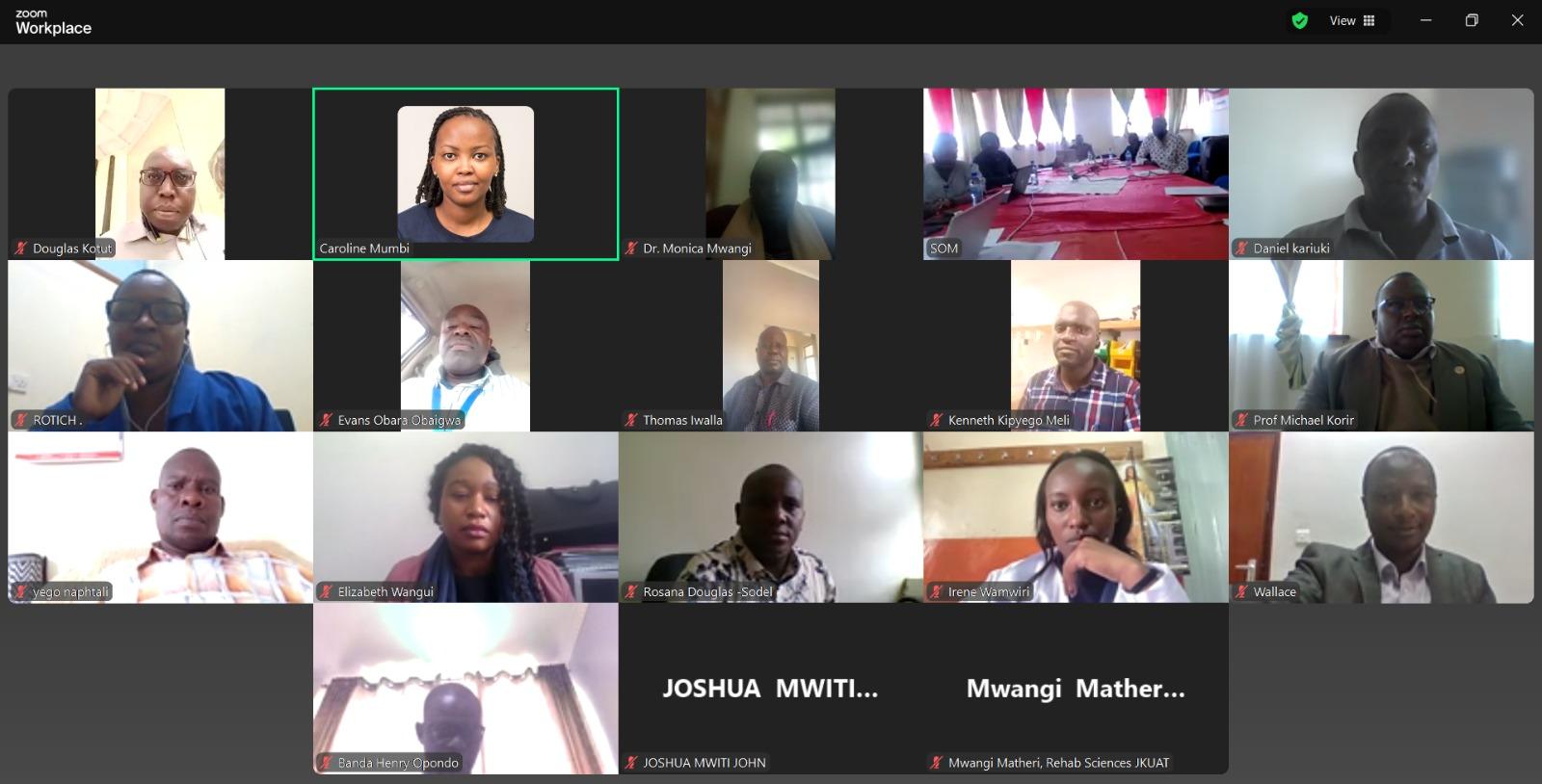
    On September 10, 2025, the Departments of Rehabilitation Science at Moi University and Jomo Kenyatta University of Agriculture and Technology (JKUAT) convened a virtual workshop to review the proposed Master of Science (MSc) in Rehabilitation curriculum. The meeting further provided stakeholders with insights into the Afrorehab2030 project, a European Union-funded initiative structured around six work packages (WPs).

    Stakeholder Participation

    The session brought together representatives from:

    • Ministry of Health, Kenya
    • Kenya Society of Physiotherapists
    • Physiotherapy Council of Kenya
    • Circleg
    • Kenya Occupational Therapists’ Association (KOTA)
    • Faculty from Moi University and JKUAT

    Moi University and JKUAT are among the six partners implementing the project.

    Speaking during the meeting, Dr. Wallace Karuguti, Lead for Work Package Six (Communication and Dissemination), provided an overview of the Afrorehab2030 project. whose overarching goal is to establish a Master’s program in Rehabilitation to strengthen training and service delivery in the region.

    The participants were briefed on the process behind the curriculum development, which was preceded by conducting a needs assessment, and will also ensure to do benchmarking, stakeholder engagement, refinement, and eventual piloting before commencement.

    In this regard, Dr Karuguti, provided an overview of the needs assessment survey results which captured input from rehabilitation professionals, potential employers, service users, and other stakeholders in disability, education, social welfare, and related sectors.

    Key challenges identified from the survey included the lack of advanced or specialized skills, largely due to limited opportunities for career progression and continuous professional development. Respondents highlighted critical gaps they hoped the curriculum would address, such as digital rehabilitation and diagnostic competencies.

    The survey also revealed that most rehabilitation professionals (whose exact numbers remain unknown due to limited data) rarely venture into research or academia. The proposed MSc program aims to bridge this gap by equipping practitioners with the skills needed to advance knowledge, innovation, and practice in the field.

    The session was also addressed by Dr. Naomi Kingau, the Principal Investigator of the project from Moi University, who explained that the mode of delivery for the MSc program would be online, onsite, and blended.

    The teaching methodologies will be student-centred, community-based, collaborative, and experiential enabling students to apply theoretical knowledge in real-life clinical and community settings, thereby gaining hands-on practical skills and confidence in patient care. She also outlined the expected learning outcomes of the program.

    As presented by Dr. King’au together with Dr. Mwangi Matheri the Principal Investigator from JKUAT, the Msc Program will have several exit specializations: Optometry, Occupational Therapy, Physiotherapy, Speech and Language Pathology, Audiology, Prosthetics & Orthotics.

    The workshop further enabled participants to critique the program and share their perspectives, which will guide the project partners in refining the curriculum. Moi University and JKUAT are working together with Muhimbili University, Kilimanjaro Christian Medical University (Tanzania), Arcada University (Finland) and Western University of Applied Sciences (Norway).

    AfroRehab2030 #RehabilitationEducation #MScRehabilitation #MoiUniversity #JKUAT #HealthEquity #RehabilitationAfrica

  • Rehabilitation Summit 2025: Partnership and Collaboration to Strengthen Services in Africa

    Rehabilitation Summit 2025: Partnership and Collaboration to Strengthen Services in Africa

    👉 Download the Full Rehabilitation Summit 2025 Program (PDF)

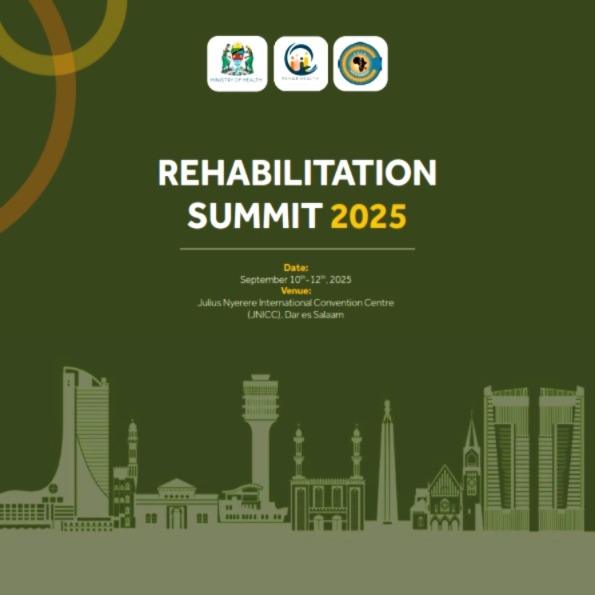
    Date: September 10–12, 2025
    Venue: Julius Nyerere International Convention Centre, Dar es Salaam, Tanzania
    Theme: “Partnership and Collaboration is Key in Strengthening Rehabilitation Service Delivery”

    The Ministry of Health – Tanzania in collaboration with the East Central
    and Southern Africa-Health Community (ECSA-HC), is proud to announce the upcoming Rehabilitation Summit 2025. This three-day event will bring together rehabilitation professionals, policymakers, researchers, and international stakeholders to explore ways of strengthening rehabilitation services across Africa. The summit will highlight the importance of partnerships, innovation, and evidence-based practices in addressing the region’s growing rehabilitation needs.


    Summit Highlights

    • Plenary Sessions with global and regional experts.
    • Workshops and Panel Discussions on digital rehabilitation, inclusive education, and women’s empowerment in healthcare.
    • Scientific Presentations showcasing cutting-edge research from across Africa.
    • Networking Opportunities connecting professionals, institutions, and policymakers.

    Program Overview

    • Day 1: Opening ceremony, keynote speeches, and high-level plenaries.
    • Day 2: Parallel workshops on rehabilitation education, technology in healthcare, and inclusive service models.
    • Day 3: Scientific paper presentations, stakeholder roundtables, and closing session.

    Why Attend?

    • Gain insights from leading rehabilitation experts.
    • Contribute to shaping the future of rehabilitation in Africa.
    • Build valuable partnerships with international institutions and NGOs.

    Download Full Program

    👉 Download the Full Rehabilitation Summit 2025 Program (PDF)

    #RehabSummit2025 #Rehabilitation #HealthEquity #PartnershipsInHealthcare #Afrorehab2030

  • First PhD in Prosthetics and Orthotics in Tanzania and Africa

    First PhD in Prosthetics and Orthotics in Tanzania and Africa

    Dr. Eunice Kombe
    PhD topic: “A mixed methods study to understand access to prosthetic and orthotic services in Tanzania”.

    Dr. Eunice Kombe is a pioneering Prosthetist-Orthotist, educator, and advocate for equitable access to rehabilitation services in Africa. She currently serves as a lecturer at the School of Rehabilitation Medicine, Department of Prosthetics and Orthotics (P&O) at KCMC University in Moshi, Tanzania. She holds a Bachelor of Science in P&O from KCMC University and a Master of Science in P&O from the University of Strathclyde in Glasgow, Scotland.

    In 2025, Dr. Kombe became the first person in Tanzania and across the African continent  to earn a PhD in Prosthetics and Orthotics, marking a historic milestone for the profession. Her PhD was undertaken at the University of Salford in Manchester, United Kingdom, in collaboration with KCMC University in Tanzania.

    Her research focused on access to prosthetic and orthotic services in Tanzania, employing a mixed-methods approach that included a qualitative metasynthesis, secondary analysis of hospital data, and in-depth interviews with clinicians and service users. The study provided a comprehensive understanding of the structural, financial, and socio-cultural barriers faced by individuals in need of assistive technology. Her work not only sheds light on long-standing inequities but also proposes actionable, context-relevant strategies to enhance service delivery, user experience, and health outcomes.

    Eunice’s path into the P&O field was deeply personal, inspired by her experience caring for her late father, Dr. Festus Kombe, who suffered a stroke and lived with mobility challenges that required assistive technology. Witnessing firsthand the impact of limited access to appropriate rehabilitation services ignited in her a strong desire to improve the quality of life for people with physical disabilities. Over more than a decade of dedicated service, she has successfully bridged academic, clinical, and entrepreneurial roles.

    She is the Founder and Director of Trucare Company Limited, a social enterprise delivering raw materials and components used to fabricate quality prosthetic and orthotic services to underserved populations in Tanzania. Under her leadership, Trucare has grown to become a model for sustainable, community-based rehabilitation service delivery.

    She has also played a leading role in research and innovation, including piloting digital prosthetic workflows that aim to increase efficiency and reduce costs. Dr. Kombe has collaborated with several international initiatives, including the UK Research and Innovation (UKRI) network and the Afrorehab project, which aim to strengthen rehabilitation systems across the continent.

    As part of the Afrorehab community, Dr. Kombe envisions an Africa where rehabilitation and assistive technology are not a privilege, but a right. She aims to contribute to policy dialogue, evidence generation, and south-south knowledge exchange that promote inclusive rehabilitation ecosystems. She is particularly committed to capacity building, nurturing the next generation of African rehabilitation professionals, and scaling up context-specific innovations that respond to local needs.

    Dr. Kombe’s journey embodies the spirit of resilience, leadership, and transformation in African rehabilitation making her a vital voice in the future of the P&O profession across the continent.

    Here is an article written my Dr. Kombe in collaboration with others.

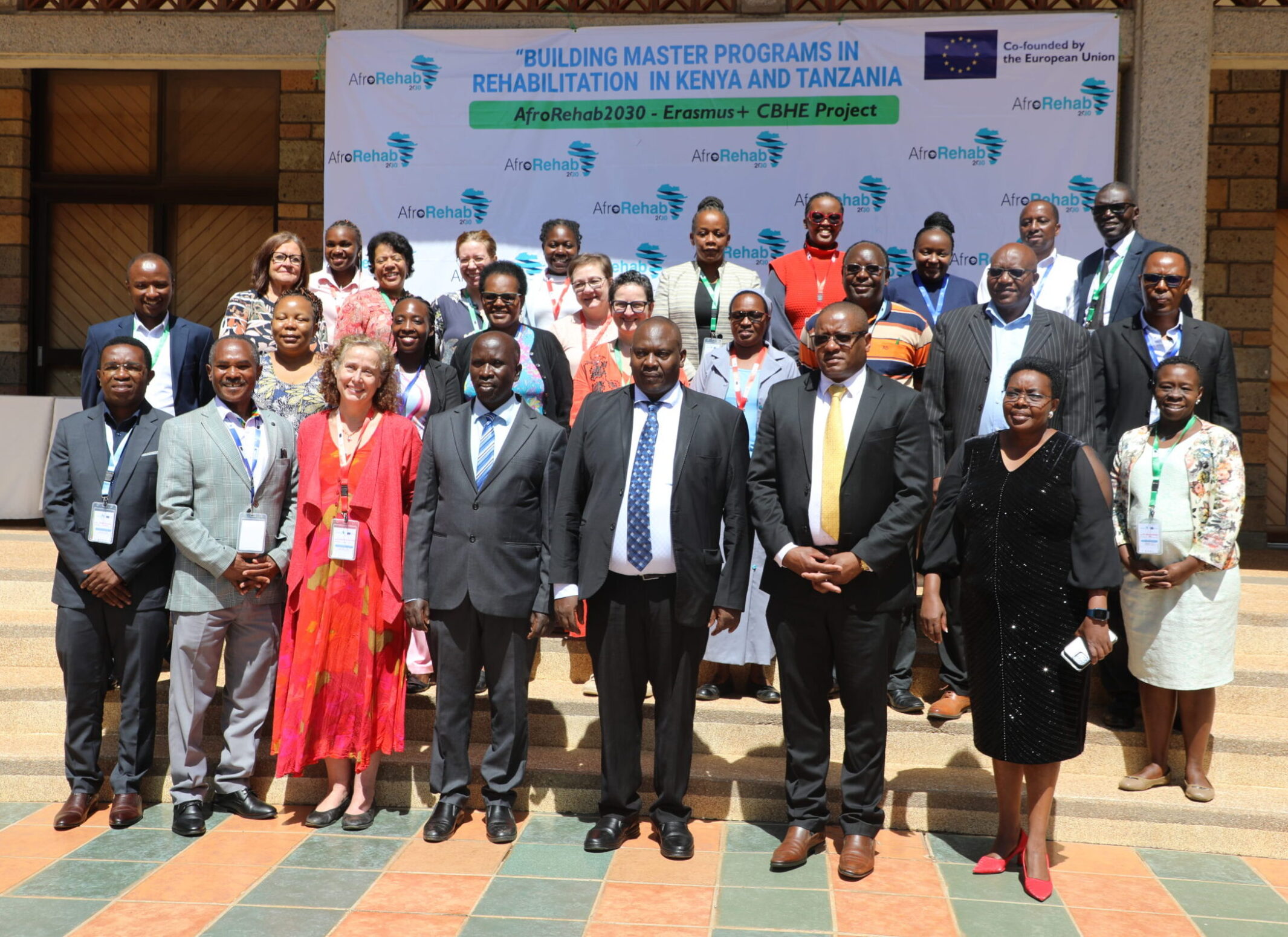
  • AfroRehab2030 Holds Second Workshop and Launches Website at Jomo Kenyatta University of Agriculture and Technology – Kenya from March 24–28, 2025

    AfroRehab2030 Holds Second Workshop and Launches Website at Jomo Kenyatta University of Agriculture and Technology – Kenya from March 24–28, 2025

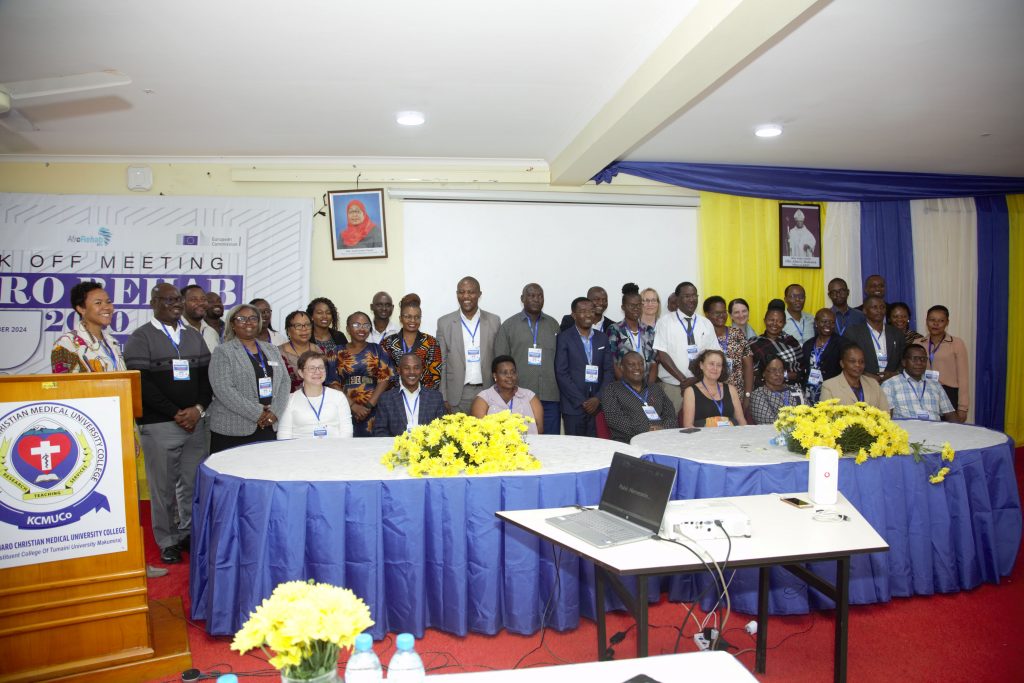
  • AfroRehab2030 Project Kick- Off Meeting at Kilimanjaro Christian Medical Centre University , Moshi -Tanzania from November 11–15, 2024.

    AfroRehab2030 Project Kick- Off Meeting at Kilimanjaro Christian Medical Centre University , Moshi -Tanzania from November 11–15, 2024.

    The rising prevalence of conditions such as stroke, arthritis, and spinal cord injuries has led to 15% of the global population living with some form of disability, highlighting the urgent need for highly skilled rehabilitation specialists.

    Rehabilitation, through physiotherapy, occupational therapy, and other services, plays a crucial role in determining whether individuals recover or face permanent disability. However, this field is often overlooked in many healthcare systems.

    To address this gap, six universities, two from Tanzania, two from Kenya, and two from Europe will collaborate under the AfroRehab2030 project to develop and implement blended Master of Science (MSc) in Rehabilitation programs in each African country.

    The participating universities include Jomo Kenyatta University of Agriculture and Technology (JKUAT), Moi University, Kilimanjaro Christian Medical Centre University (KCMC), and Muhimbili University of Health and Allied Sciences (MUHAS) from Africa, along with Western Norway University of Applied Sciences (HVL) and Arcada University from Europe.

    The AfroRehab2030 project, funded by the European Union (EU), officially launched on October 1, 2024, and will run for three years. The initiative aims to strengthen East Africa’s rehabilitation workforce by incorporating innovative digital learning tools into its interdisciplinary Master’s programs.

    These programs will help secure sustainable training for qualified physiotherapists, occupational therapists, prosthetists and orthotists, speech and language therapists, audiologists, and optometrists in Tanzania, Kenya, and beyond. The project is designed to promote rehabilitation services and research, responding to the World Health Organization’s (WHO) Rehabilitation 2030 Call for Action and Rehabilitation Strategies in both countries.

    The AfroRehab2030 project held its kick-off meeting at KCMC in Moshi, Tanzania, from November 11-15, 2024. The meeting brought together key stakeholders including experts, regulatory authority leaders, healthcare professionals, and academic leaders who strategized and aligned on the project’s objectives and long-term vision.

    This blended meeting, conducted both in-person and virtually, provided a platform for stakeholders to share their expertise and ensure a unified approach to developing the program’s curriculum.

    In his remarks, Dr. Loishooki Saitore, Director of Training, Human Resource Development and Planning at the Ministry of Health, Tanzania, expressed strong support for the MSc programme and pledged grant support for the inaugural cohort of students.

    Offering a regional perspective, Ms. Chiara Retis from the World Health Organization (WHO) Regional Office for Africa highlighted Tanzania’s efforts to strengthen rehabilitation services through a national rehabilitation strategy launched in 2021 with support from WHO and other partners. She noted that the strategy prioritizes the integration of rehabilitation data into the national health information system and the development of a workforce capable of delivering rehabilitation services across all levels of care.

    Ms. Retis also pointed to the recent piloting of the Basic Package of Interventions on Rehabilitation in two regions of Tanzania, which equips primary healthcare workers with basic rehabilitation competencies while strengthening referral systems. She noted that the new Master’s programme will enhance the clinical and pedagogical skills of rehabilitation professionals in Kenya and Tanzania, helping to build more person-centred health systems
    that better respond to the needs of individuals, families, and communities.

    Dr. Halleluya Moshi, the Project Lead from KCMC, emphasized the importance of the program in addressing the rehabilitation workforce gap in East Africa. He highlighted that the demand for rehabilitation services is rising due to an aging population and the growing burden of non-communicable diseases, yet there remains a shortage of qualified rehabilitation professionals in the region.

    “By offering this Master’s program, AfroRehab2030 is not only enhancing the skill set of healthcare professionals but also contributing to the development of sustainable healthcare systems in both Tanzania and Kenya,” Dr. Moshi said during a press interview at the meeting.

    JKUAT was represented at the meeting by Dr. Mwangi Matheri, Chairman of the Department of Rehabilitative Sciences; Mr. Daniel Kariuki, Lecturer in Occupational Therapy; and Ms. Elizabeth Wangui, Corporate Communications (representing Dr. Wallace Karuguti, Lead Communication and Dissemination for AfroRehab2030).

    The program will focus on practical, community-centered approaches to rehabilitation, blending modern technology with traditional healing methods to create more effective and culturally relevant treatments. This integration will allow students to learn cutting-edge techniques while considering local practices, better serving the diverse needs of the population.

    Dr. Matheri, in a press interview during the meeting, reiterated that this initiative will help build local capacity, offering African scholars the opportunity to develop expertise in rehabilitation sciences while addressing local healthcare gaps.

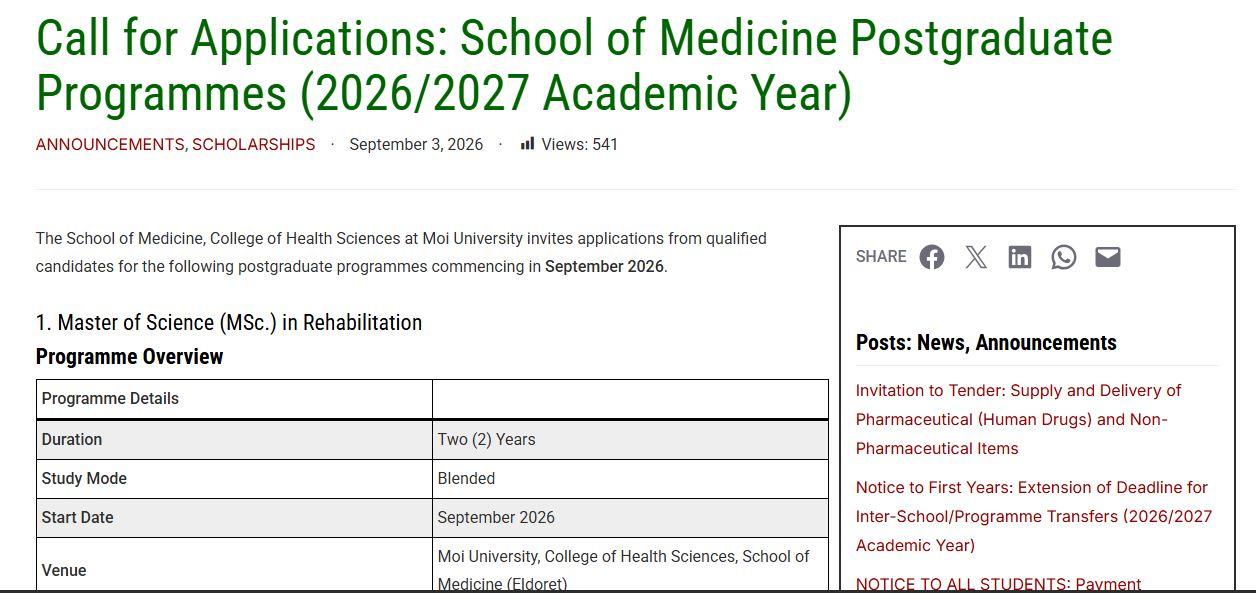
    The first cohorts of the program are projected to begin in September 2026 at Moi University in Kenya and KCMC in Tanzania.

Skip to content