Introduction
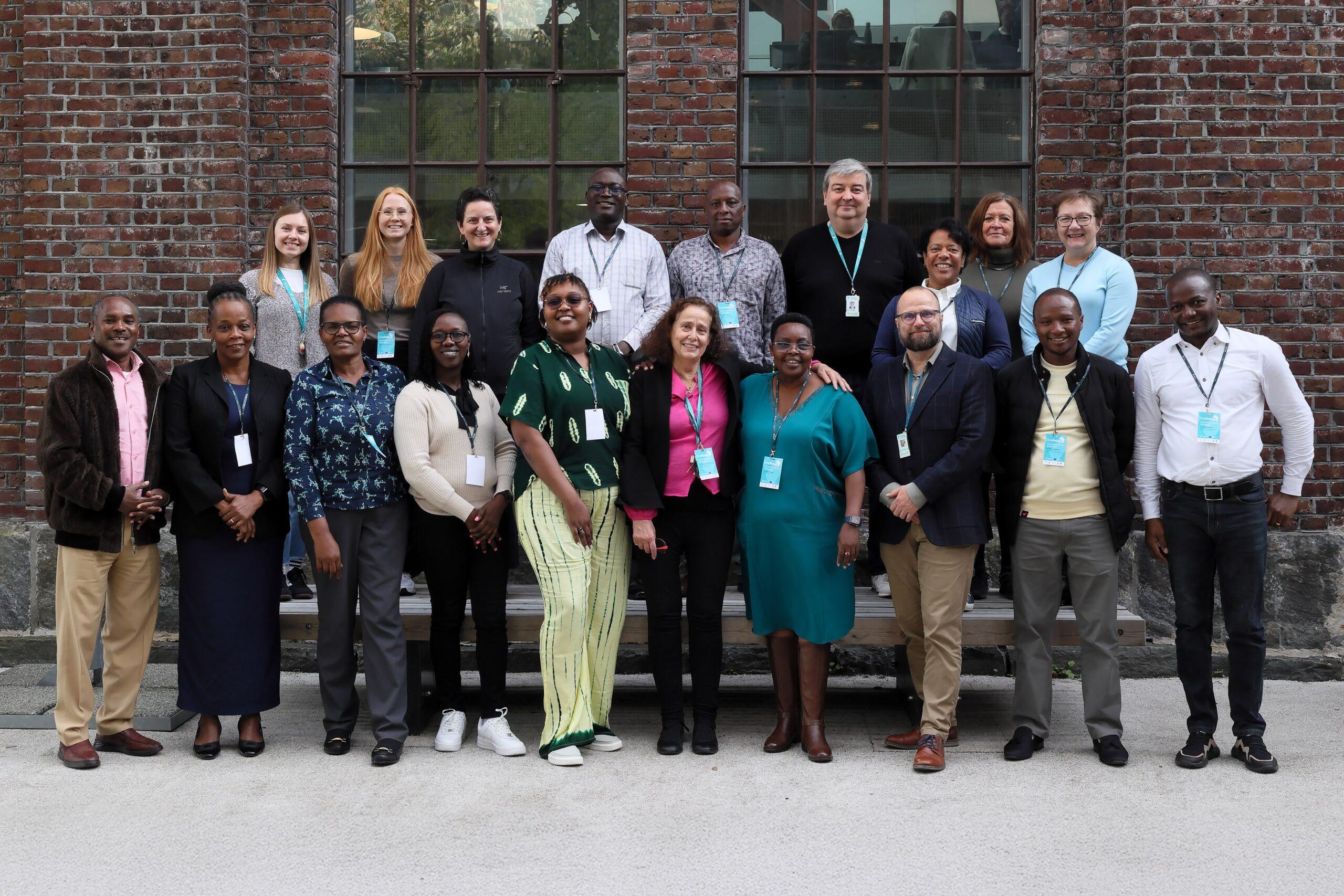
The AfroRehab2030 Erasmus+ Capacity Building in Higher Education (CBHE) project is a transformative international partnership aimed at strengthening the rehabilitation workforce in East Africa through the development of innovative, interdisciplinary Master’s programmes in rehabilitation. Bringing together universities from Kenya, Tanzania, Norway, and Finland, the project responds to the significant unmet need for rehabilitation services in Sub-Saharan Africa, where an estimated one in five people require such services due to the growing burden of communicable and non-communicable conditions. The AfroRehab2030 consortium is led by Western Norway University of Applied Sciences, with overall coordination provided by Professor Graziella Van den Bergh as the project lead. As part of its capacity-building and collaborative learning strategy, the consortium organized a study and working visit to Finland and Norway, where African partner institutions engaged with European counterparts to benchmark best practices in rehabilitation education, explore digital and AI-driven teaching innovations, strengthen research capacity, and advance the co-development and implementation of contextually relevant MSc programmes in rehabilitation for Kenya and Tanzania.
Phase 1: Arcada University of Applied Sciences, Helsinki, Finland (September 27–30, 2025)

The Finland leg officially commenced at Arcada University of Applied Sciences with a welcome session and comprehensive project update, where work package leaders presented progress across all project components. This session set the tone for collaborative reflection and alignment on the development of MSc programmes in rehabilitation.
A key highlight of the Finland visit was a series of study visits to leading rehabilitation centres, including Käpylän Kuntoutuskeskus, Folkhälsan, and Oulunkylän Kuntoutus. These visits provided participants with firsthand exposure to advanced rehabilitation practices, multidisciplinary care models, and patient-centred service delivery systems.
Further, the visit also focused on digital transformation in rehabilitation education. A structured seminar explored:
- E-learning tools and their implementation in higher education;
- Applications of artificial intelligence (AI) in teaching, learning, and research;
- Ethical considerations in AI;
- Digital innovations in eHealth systems.
Participants also engaged in guided tours of Arcada’s digital learning environments, including the Health Tech Lab, simulation facilities, and human-robot interaction laboratories. These sessions demonstrated how emerging technologies are reshaping teaching methodologies and enhancing experiential learning in rehabilitation training.
The Finland meetings concluded with a synthesis session, consolidating lessons learned and preparing for the subsequent engagements in Norway.
Phase 2: Western Norway University of Applied Sciences (HVL), Bergen, Norway (October 1–5, 2025)
The Norway phase began at HVL’s Bergen campus with official welcome remarks from university leadership, followed by a structured programme of academic, clinical, and strategic engagements.
Participants attended an assistive technology exhibition and campus tour, including simulation laboratories, which highlighted Norway’s advanced infrastructure for rehabilitation training and research. This was complemented by field visits to:
- The Regional Assistive Technology Centre (Hjelpemiddelsentralen);
- Children’s physiotherapy services;
- University hospital rehabilitation facilities.
These visits provided critical insights into integrated rehabilitation systems, assistive technology provision, and community-based care models within a high-resource setting.
A central component of the Bergen meetings was a series of technical workshops aligned to project work packages. In these sessions the progress Curriculum development and MSc programme implementation; Research capacity building and dissemination through scoping reviews; Quality assurance frameworks and institutional best practices and Project Management and administration were discussed.
The programme also included a Project Management Board meeting, where partners reviewed progress, evaluated outcomes, and agreed on strategic next steps for the project.
A networking dinner at Fløyen provided an opportunity for informal engagement, strengthening partnerships and fostering intercultural exchange among consortium members.
Conclusion
The AfroRehab2030 consortium visit to Finland and Norway marked a significant milestone in advancing rehabilitation education in East Africa. The structured programme, combining academic discussions, clinical exposure, technological demonstrations, and strategic workshops, enabled participants to gain practical insights into innovative teaching, research, and service delivery models.
Importantly, the exposure to AI-driven education, digital learning environments, assistive technologies, and robust quality assurance systems will directly inform the design and implementation of contextually relevant MSc programmes in Kenya and Tanzania
Overall, the visit strengthened institutional partnerships, enhanced technical capacity, and reinforced the consortium’s shared commitment to transforming rehabilitation education and practice across the region.


A pictorial story of the Arcada University-Finland Visit


A pictorial story of the HVL University-Norway – Visit